Article: How to Choose a Premium Padel Racket: A Buyer's Guide
How to Choose a Premium Padel Racket: A Buyer's Guide
The padel racket market has grown fast. With that growth has come noise: more brands, more specs, more claims, more marketing language dressed up as technical information. For the player approaching a serious racket purchase for the first time, the decision can feel harder than it should.
This guide strips it back to the things that actually matter: construction, balance, carbon weave and feel. By the end, you should know exactly what to look for and how to tell whether a racket is genuinely premium or simply priced that way.
Start with the construction, not the spec sheet
The first sign of a well-made padel racket is not what it says on the box. It is how it is built. Premium construction means a consistent, dense carbon weave across the full frame, not just on the face. It means a handle that feels finished, not assembled. It means a balance that feels intentional.
The test is in the hand before the first strike. A premium racket has a weight distribution you can feel immediately: either settled and low for control, or poised and forward for power. There is no mistaking a racket built with intent for one that is not.
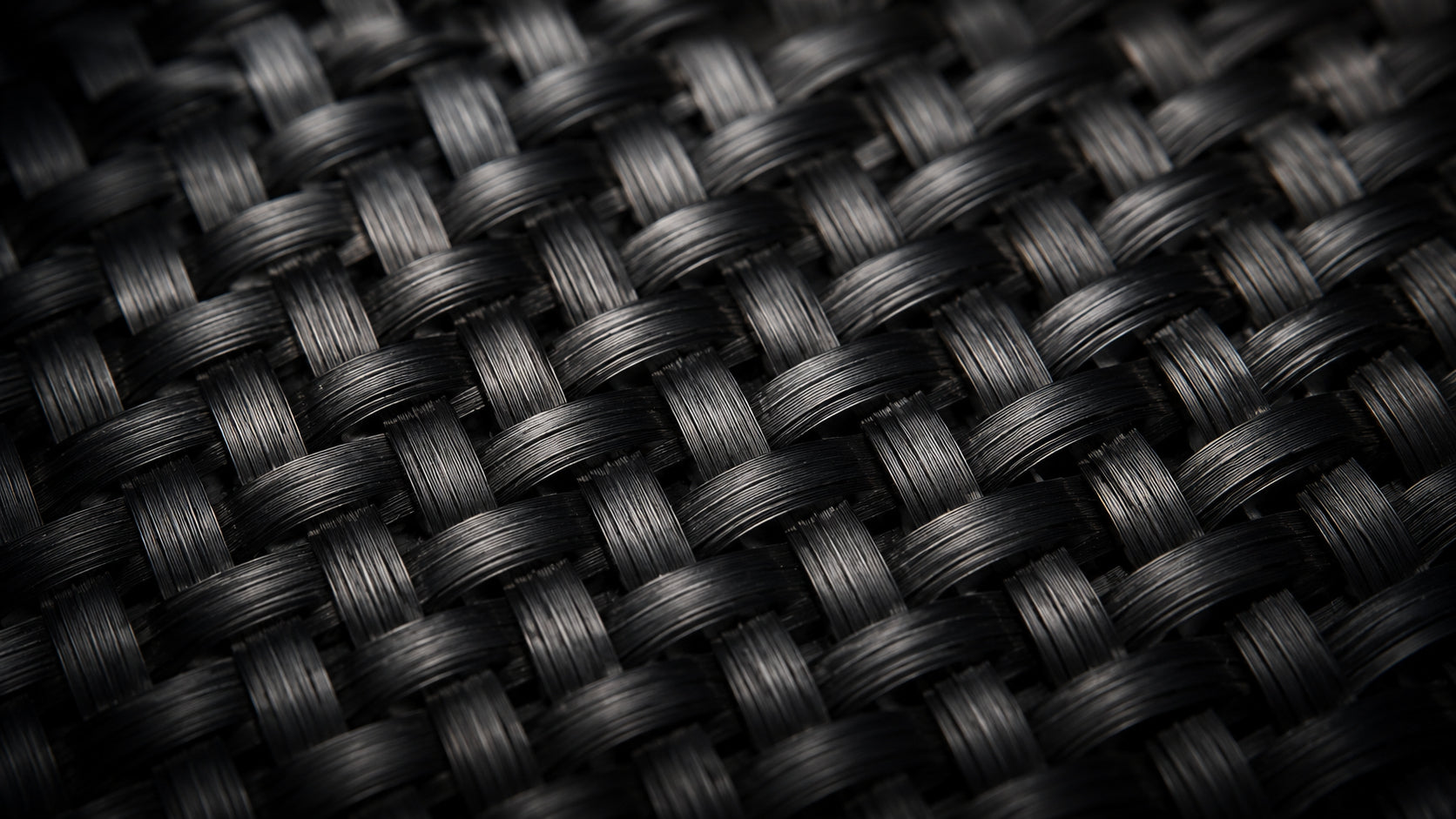
Construction quality also shows in the materials used. Carbon filament count is the most useful indicator at the premium level. Higher counts (12K and above) represent denser weaves, more precise engineering, and more demanding production. Budget rackets often use 3K or 6K carbon, sometimes blended with fibreglass. The difference is substantial and felt immediately on court.
Understand balance before anything else
Balance is one of the most important factors in racket selection and one of the least discussed in most buying guides.
A control-balanced racket has its weight distributed towards the handle end of the frame. This makes the head lighter in the swing, which gives the player more control over placement at contact. The stroke is easier to direct. The wrist stays steadier. The sweet spot is more forgiving.
A power-balanced racket carries more weight in the head. The additional momentum through the swing translates to more pace off the face. The trade-off is that the head is harder to direct precisely, which rewards a player whose technique is already developed and whose instinct is to attack.
Neither balance point is superior. The question is which one fits your game. A player at the back court, constructing points through placement, will almost always play better with a control balance. A player at the net, attacking with smashes and drives, will get more from a power balance. Choosing the wrong balance for your style is one of the most common mistakes players make when upgrading.
Why carbon weave matters at the premium level
Below a certain price point, the carbon in a padel racket is there for the aesthetic as much as the engineering. At the premium level, the choice of carbon weave is the central engineering decision.
Higher filament counts (12K, 18K) produce denser, more consistent frames. Energy transfer at contact is more predictable. Vibration is managed rather than absorbed or ignored. The player gets clear feedback through the handle without the noise that lower-count weaves introduce. This matters because a serious player is making shot decisions in fractions of a second, and the racket is part of the feedback loop.
A premium carbon racket does not feel different from a budget racket because it is quieter. It feels different because the energy is going exactly where it is designed to go. The feel is not softer. It is more accurate.
For context: 12K carbon favours control and touch. 18K carbon favours pace and reactive response. Both are significantly above the construction standard of most rackets on the market.
Weight, feel, and what they actually tell you
Weight is often the first number players look for. At the premium end, it is largely handled for you: well-engineered rackets are designed to a weight range that suits competitive play. The balance matters more than the absolute figure because a heavier racket with the right balance often feels lighter in use than a lighter racket with the wrong one.
Feel is harder to describe precisely but easy to recognise. A premium racket in the right hands for the right game feels consistent. Every shot lands where the player intends it to. The feedback is clear. There is no guesswork. A budget racket often has dead spots, inconsistent response, or a feel that works one session and not the next.
The way to test feel before committing is to demo. If the brand offers trial models through a club or partner retailer, use them. If the first session with a premium carbon racket at the right balance point does not feel immediately different, the racket is probably wrong for your playing style. The response should be recognisable.
What a limited drop model means for quality
The luxury padel racket market is beginning to move in the same direction as premium streetwear and high-end watchmaking: small quantities, seasonal releases, numbered units. This model exists for a reason. It is not a scarcity strategy dressed up as craft. It is what happens when a maker refuses to produce at a volume that outpaces the quality they can maintain.
When a brand releases 50 rackets, every one of those 50 has to pass. There is no batch large enough to hide compromise. The numbered drop model is, in effect, a quality commitment made visible.
For the buyer, a limited edition padel racket also holds its integrity in a way that mass-produced equipment does not. The racket you received is one of a specific, known number. That is not just a collector's detail. It is a signal about how seriously the maker approached each unit.
The CPadel range
CPadel builds two rackets in Drop 01: The Inaugural, each representing one end of the control-to-power spectrum at a serious construction standard.
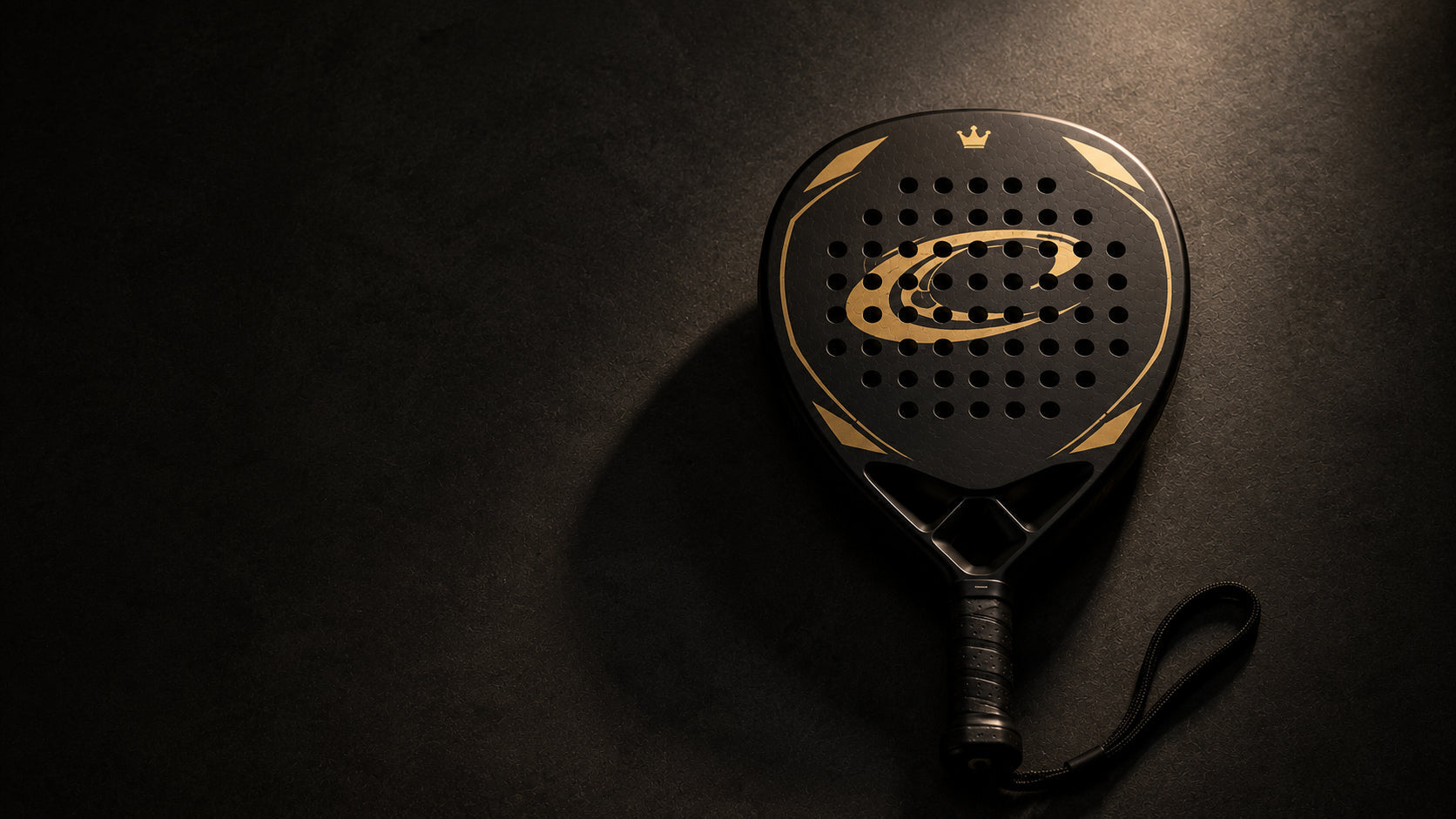
Elvora12 is the control racket. Built around a 12K hybrid carbon weave, control-weighted, finished in matte black and metallic gold. For the player who constructs points, works the back court with touch, and wins through placement. At £140, built to the standard the carbon deserves.
Ventor18 is the power racket. Built around an 18K hybrid carbon weave, power-weighted, finished in matte black, platinum silver and electric blue. For the player who attacks the line, smashes at the net, and closes points with pace. At £180, the higher price reflects the production demands of the denser weave.
Both are Drop 01: The Inaugural. Fifty of each, numbered, never restocked. This is not a permanent range. It is a considered pair, released once, built to last.
The decision
The right premium padel racket is the one built for the way you actually play, not the way you aspire to play. A control player in a power racket will fight the frame. A power player in a control racket will feel held back. Match the construction to the instinct.
At the premium level, the difference between the right racket and the wrong one is felt in every session. The right one gets out of the way. The wrong one stays in it.
Discover Elvora12 for control. Discover Ventor18 for power. Both available in Drop 01: The Inaugural, limited to 50 of each.
Frequently Asked Questions
What should I look for when buying a premium padel racket?
The most important factors are balance (control-weighted or power-weighted), carbon construction quality (12K or 18K filament count is the premium standard), and feel consistency across sessions. A premium racket should feel the same way every time you play. Look for a dense carbon weave, an intentional balance point matched to your playing style, and a manufacturer that inspects each unit individually.
What is the difference between the Elvora12 and Ventor18 from CPadel?
Elvora12 is built around a 12K hybrid carbon weave, control-weighted, finished in matte black and metallic gold. It is designed for the player who constructs points from the back court and wins through placement. Ventor18 is built around an 18K hybrid carbon weave, power-weighted, finished in matte black, platinum silver and electric blue. It is designed for the player who attacks and closes points with pace. Elvora12 costs £140. Ventor18 costs £180.
Are CPadel rackets available in the UK?
Yes. CPadel is a UK-based family brand. Both rackets in Drop 01: The Inaugural ship via FedEx tracked delivery across the UK, free of charge. England receives delivery in two working days. Scotland, Wales and Northern Ireland take up to five working days. Drop 01 is limited to 50 of each racket, numbered individually and never restocked.
About CPadel
CPadel is a UK family padel racket brand, releasing seasonal drops of carbon-constructed rackets. Drop 01: The Inaugural features two rackets: Elvora12 (12K hybrid carbon, control, £140) and Ventor18 (18K hybrid carbon, power, £180). Both are limited to 50 units, numbered individually and never restocked.